Future Finland is one of the most ambitious generational welfare studies ever launched in Finland. Led by the Finnish Institute for Health and Welfare, the study will follow children born between 2026 and 2029 and their families for the next hundred years.
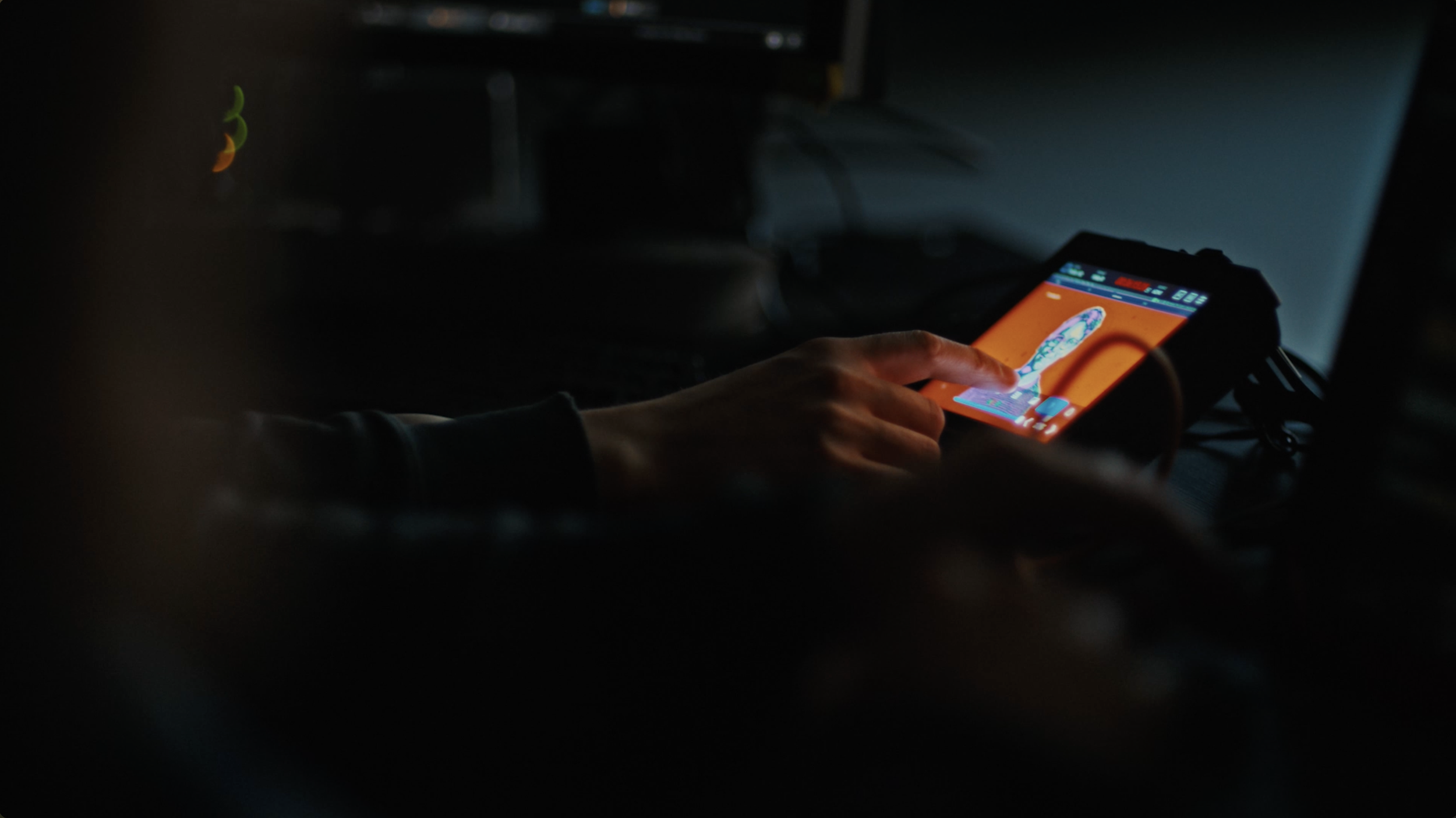
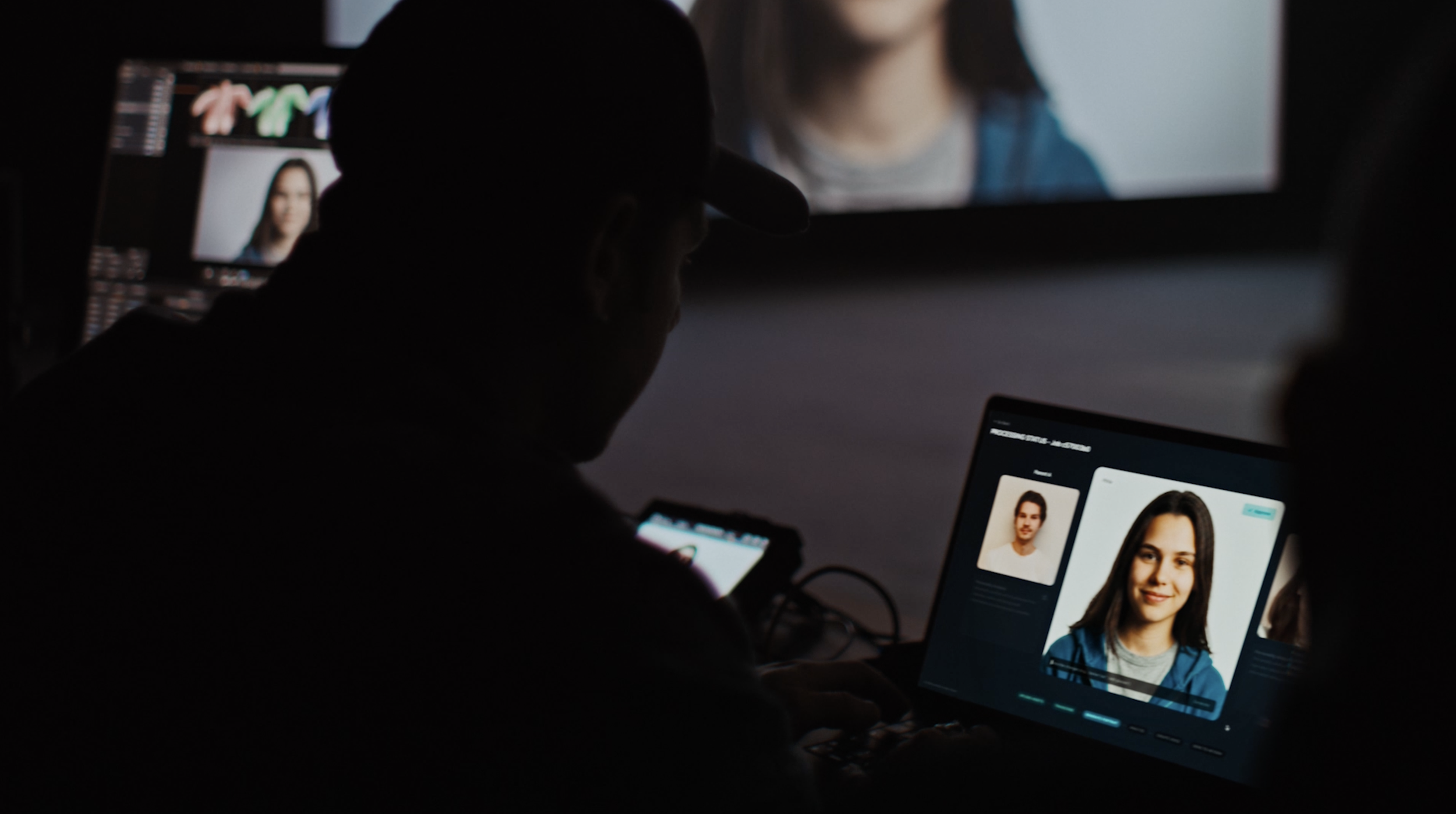
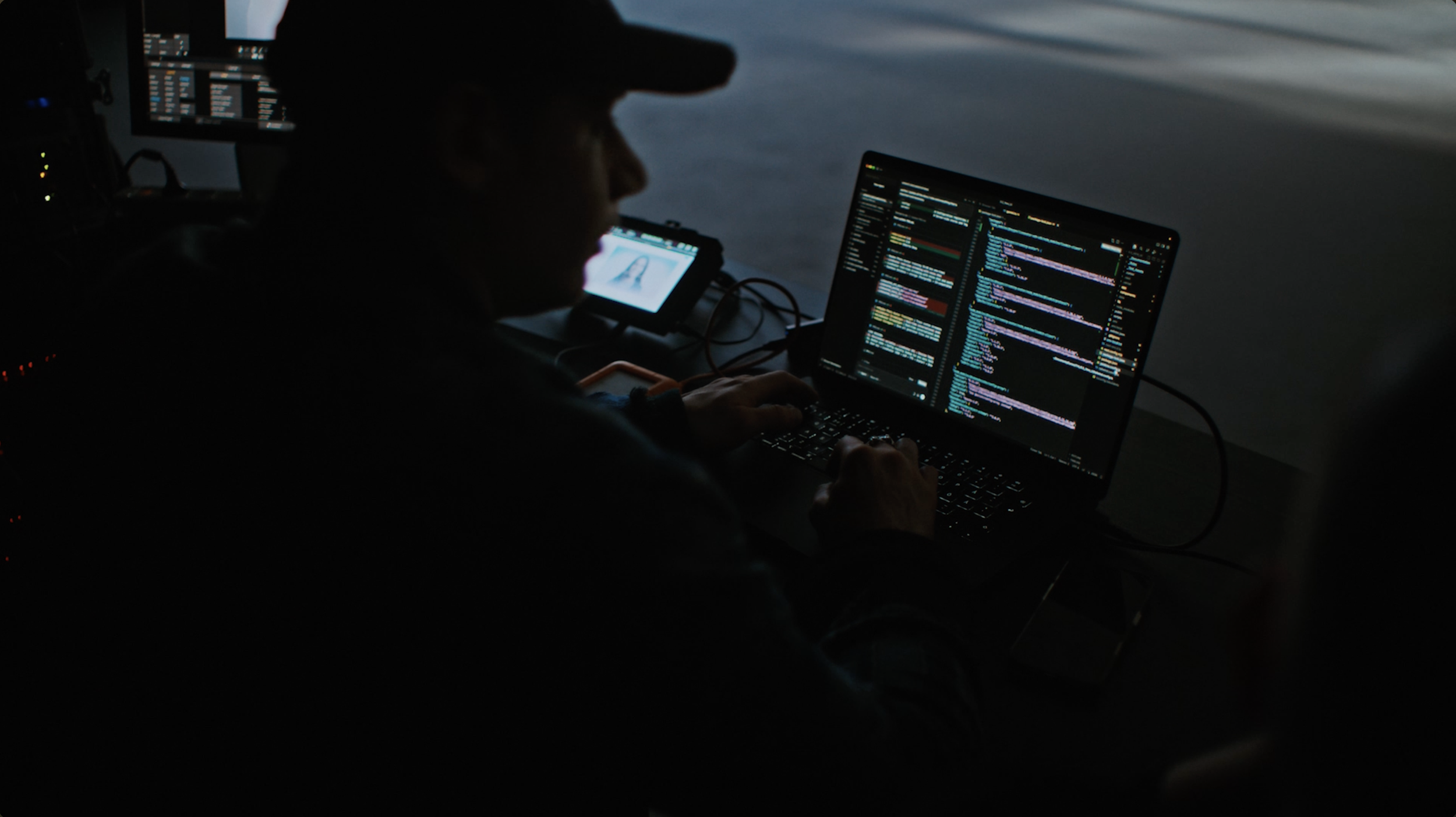
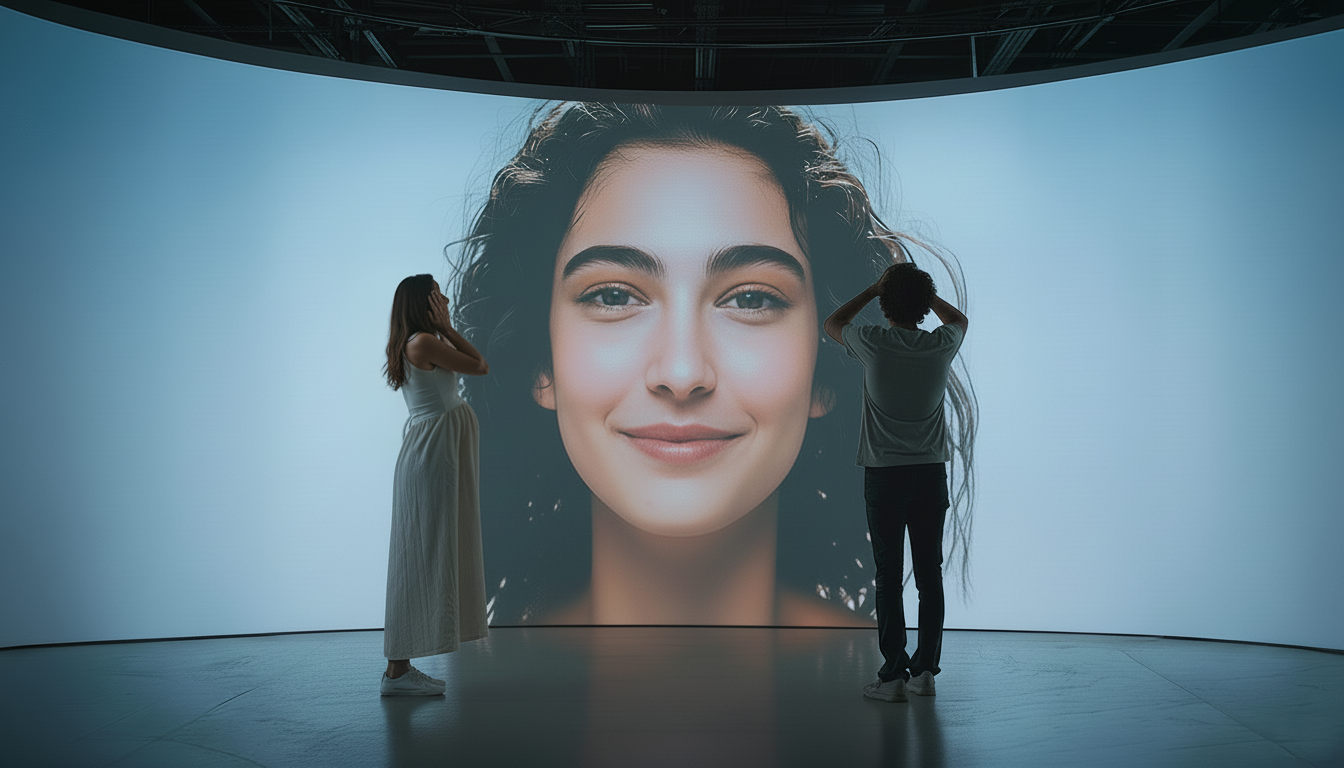
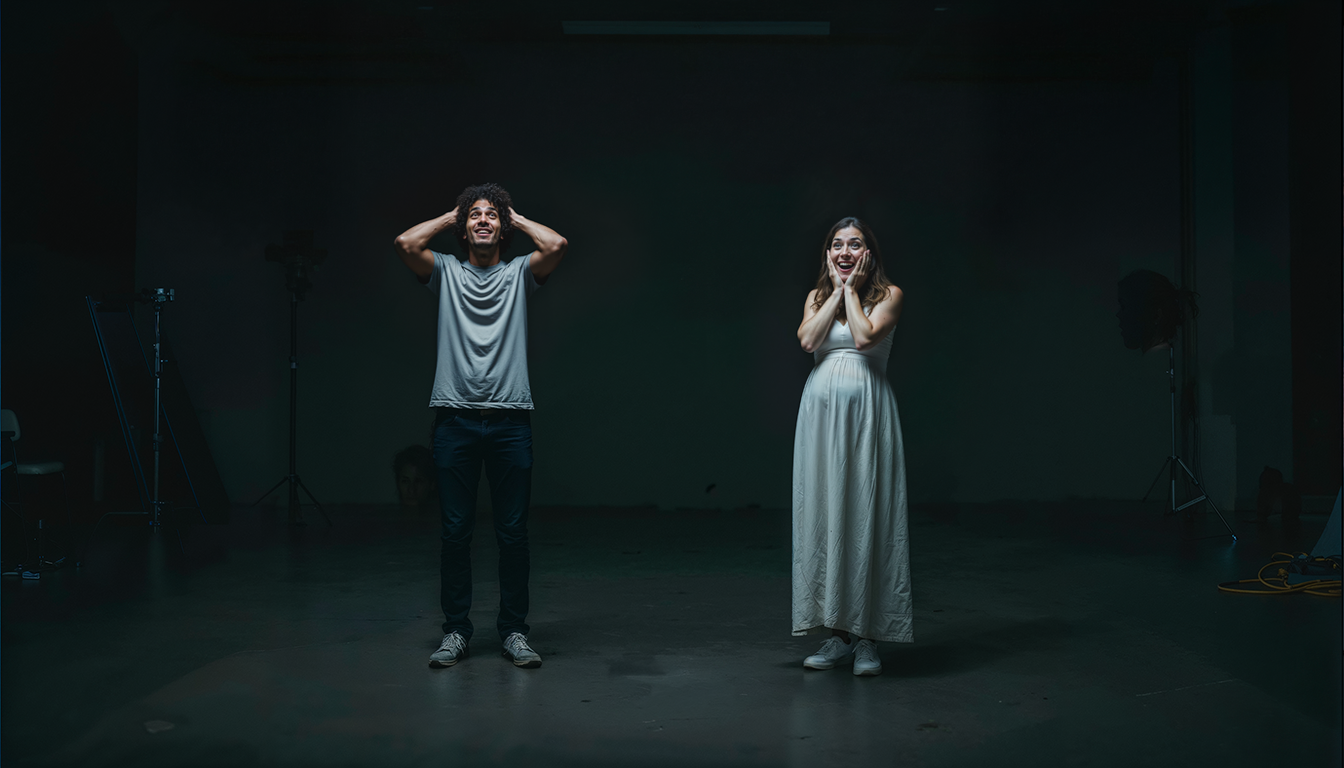
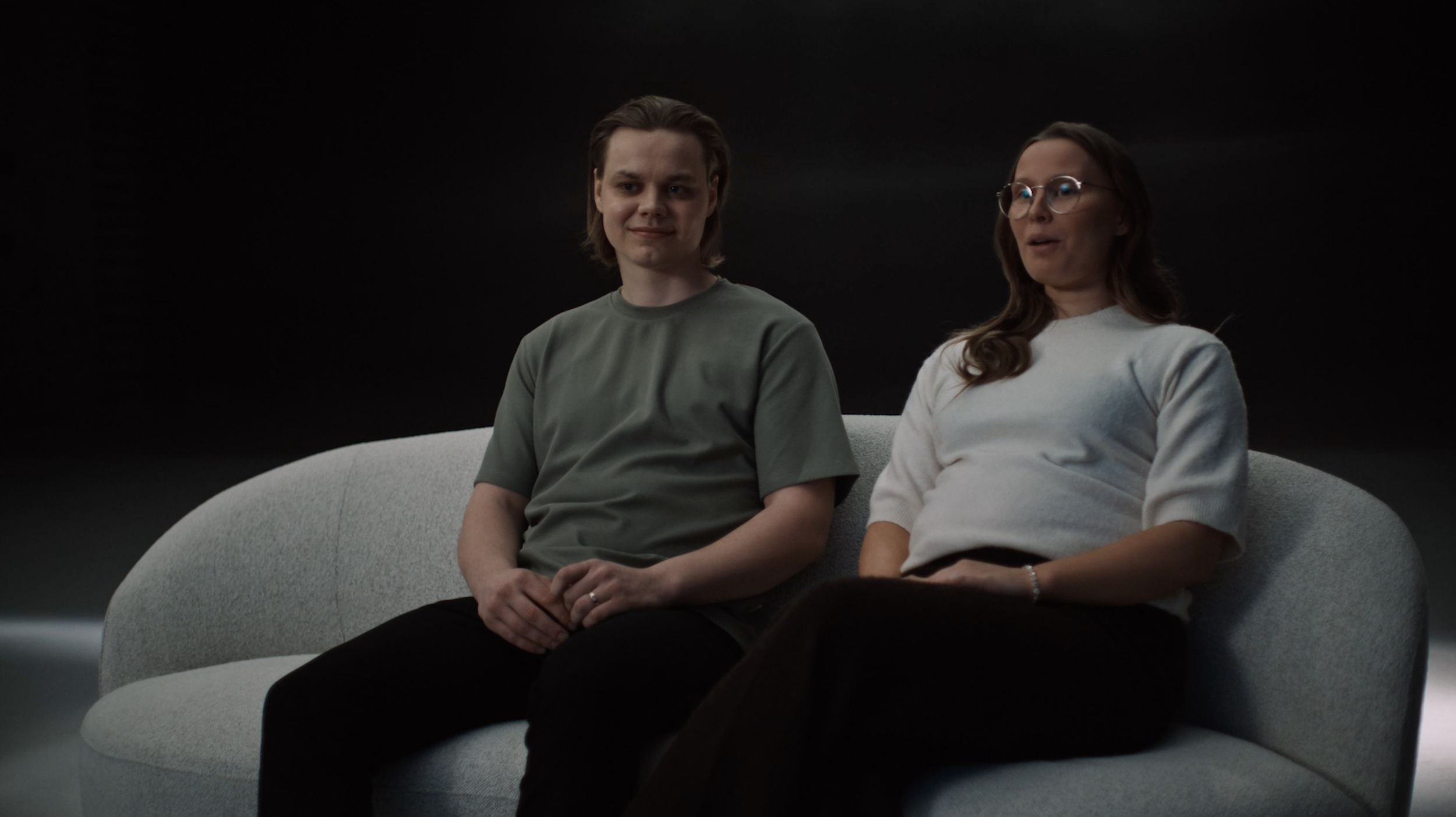
To launch the study, expecting parents were invited to do something seemingly impossible: meet their future child before the child is born. This required building a custom generative AI pipeline that could create a believable, biologically grounded, and emotionally responsive version of each couple’s future child.
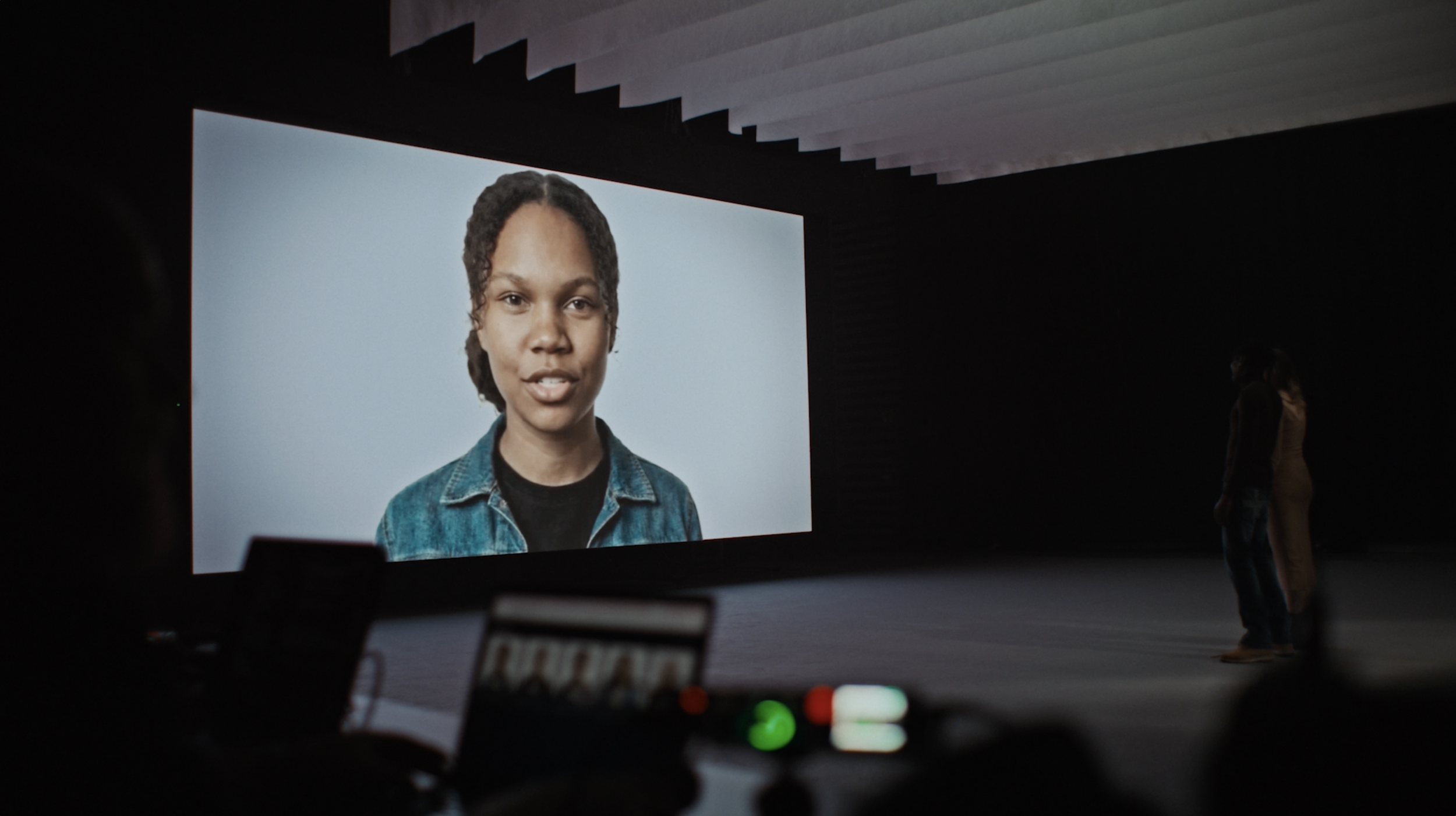
The system combined parental photos, voice samples, interviews, and personal stories to generate an interactive AI avatar that looked, sounded, and behaved in a way that was rooted in the two people it came from.
Because the experience used deeply personal data, the entire pipeline had to be built around explicit consent, privacy, security, and responsible AI use.

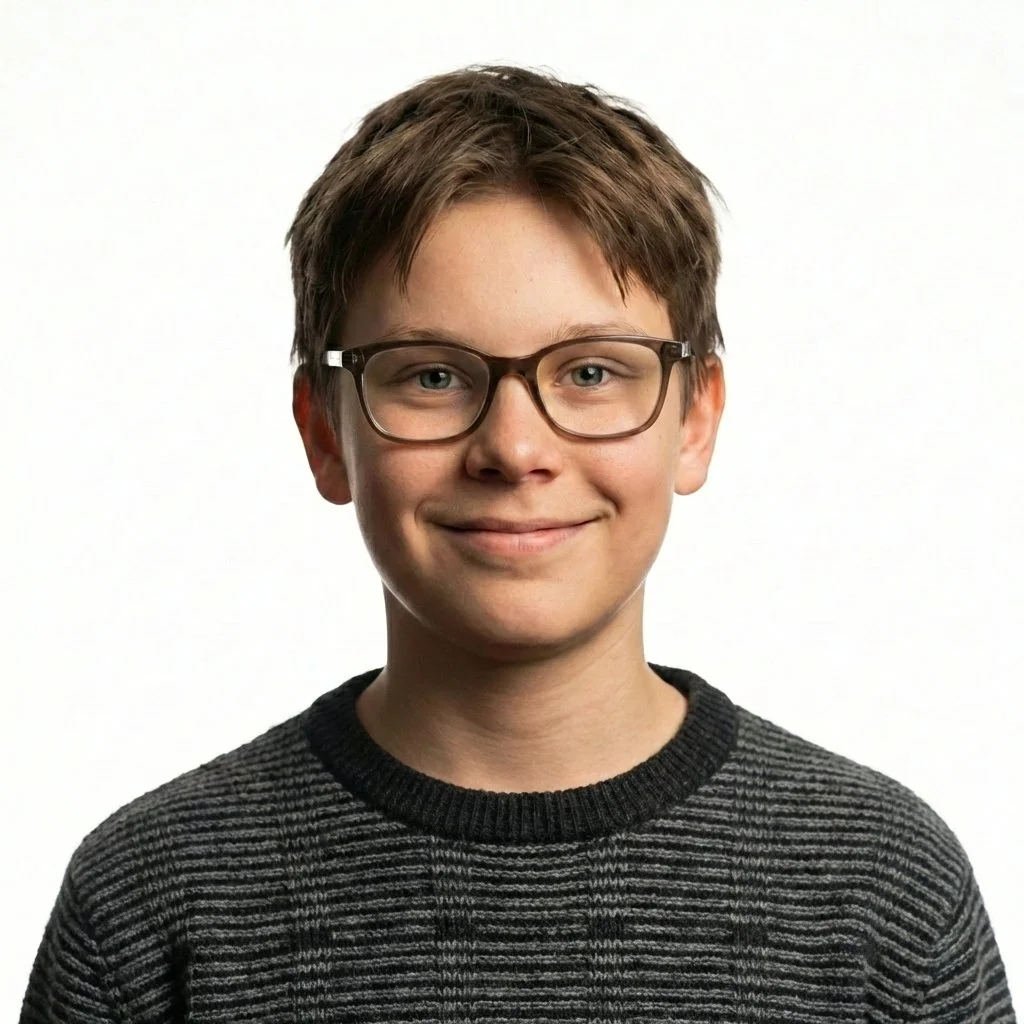
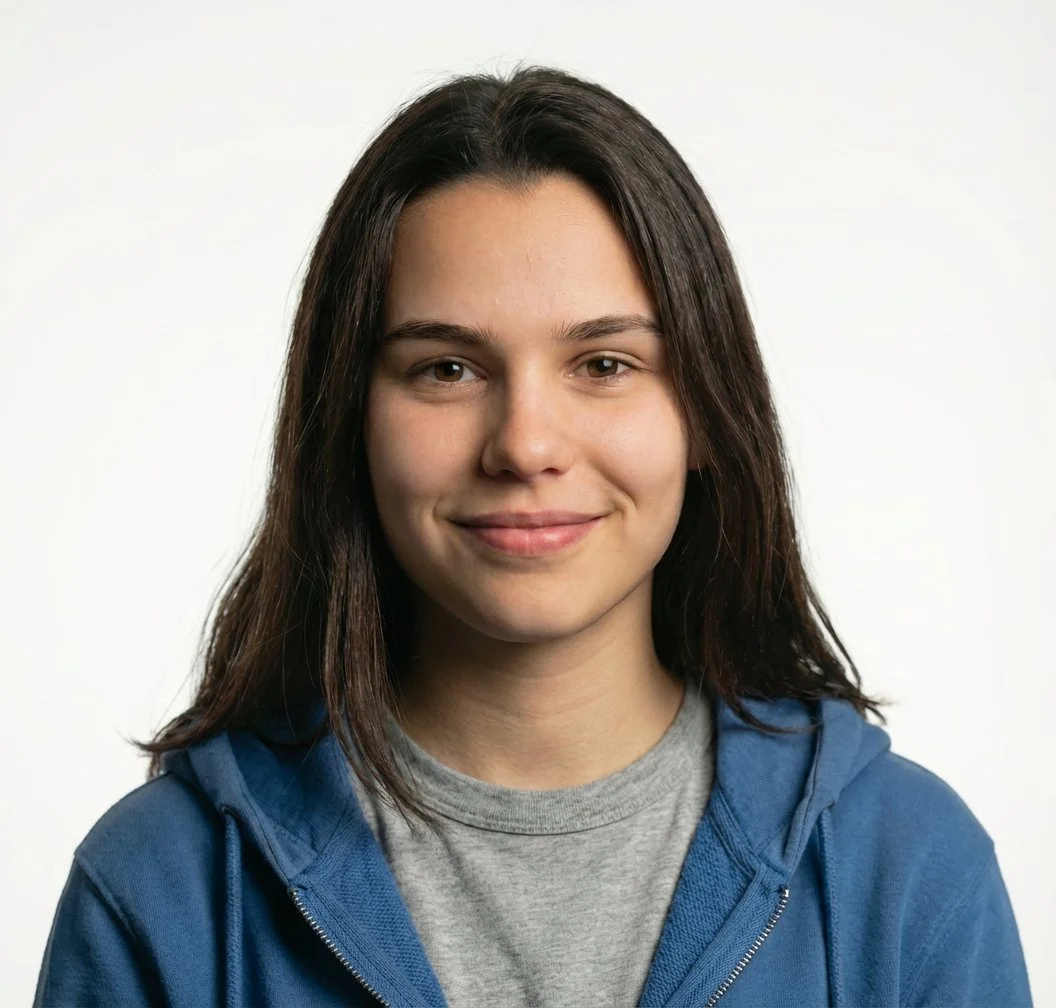
Hugo is a friendly and curious 15-year-old who values family, wellbeing, and movement, especially skateboarding.
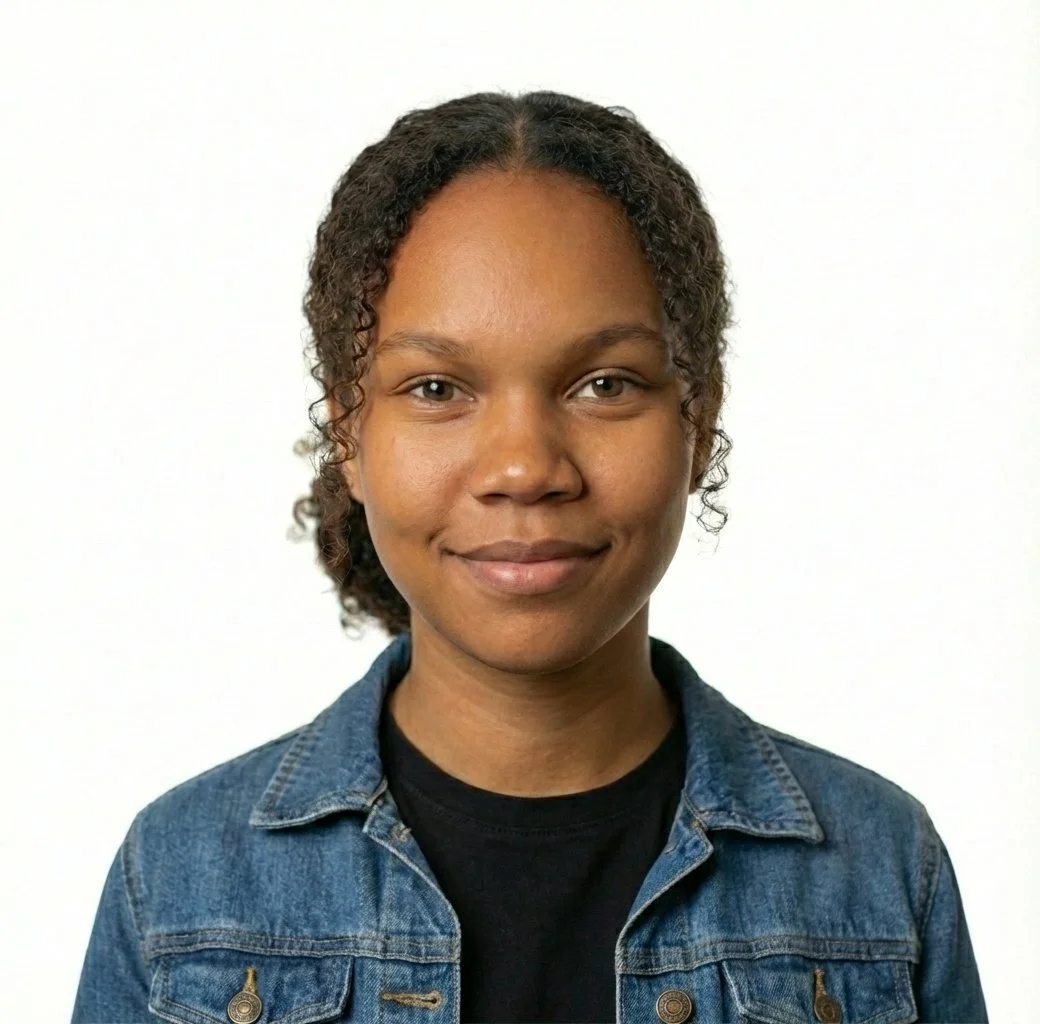
Naomi is a warm and socially conscious 15-year-old who embraces her Jamaican-Finnish background through music, dance, family, and open conversation.
Eero is a thoughtful and balanced 15-year-old who values family, friendship, responsibility, and the freedom to dream about the future.
Isabella is an empathetic and curious 15-year-old who values family, nature, animals, and future possibilities with a warm and independent spirit.
THE CHALLENGE
How do you create a synthetic version of a future child that feels believable, personal, and emotionally real without becoming generic, uncanny, or irresponsible?
The challenge was not simply to generate a child-like avatar. It was to build a system that could interpret two specific parents and create a future child that felt biologically and emotionally connected to them.
That meant grounding the AI output in the right data: facial resemblance, inherited traits, voice characteristics, personal stories, values, and the emotional context of the parents themselves.
At the same time, the system had to be secure, consent-based, and compliant. The experience dealt with deeply personal material, including photos, voice samples, video, interviews, and family stories, so every part of the pipeline had to be designed around privacy, control, and responsible use.
THE INSIGHT
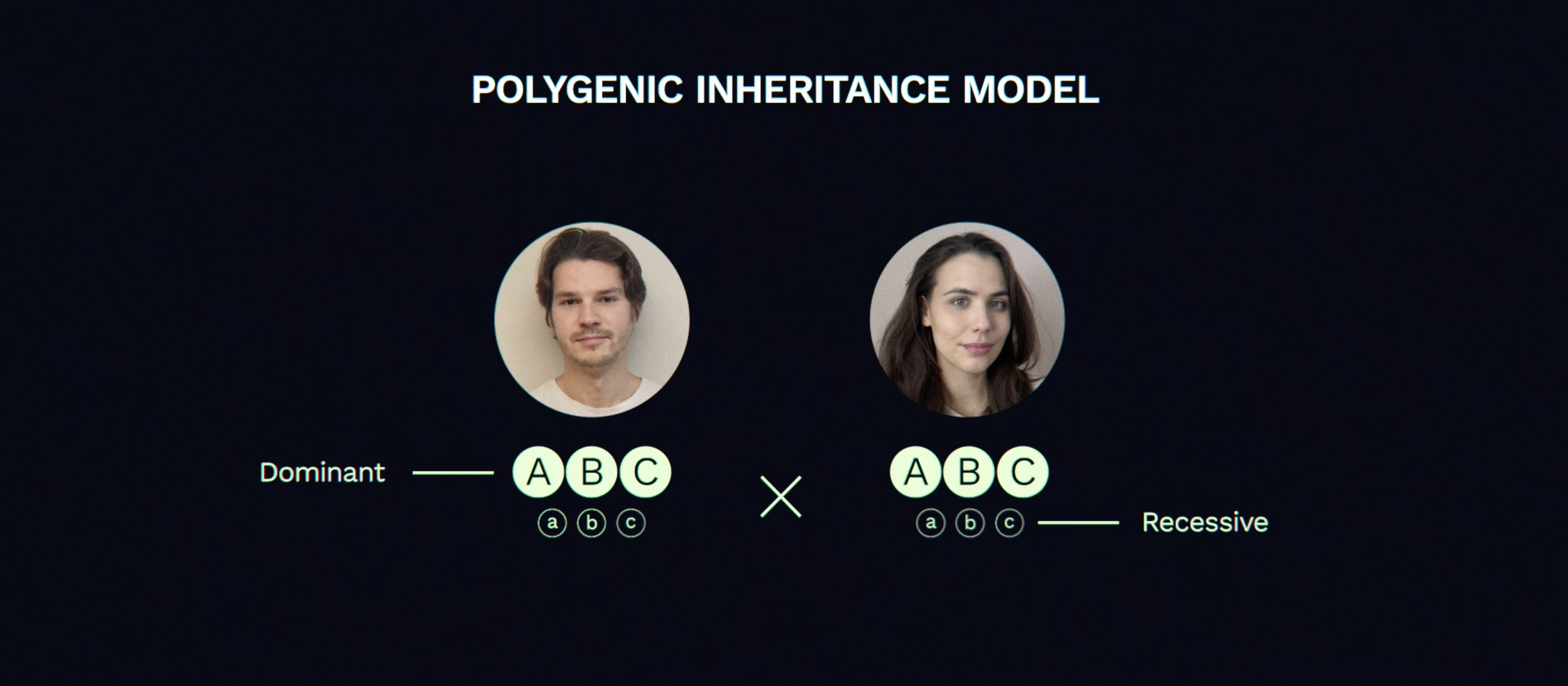
A future child could not be generated from imagination alone. To feel believable, the avatar had to be grounded in biology, inheritance, voice, personality, and family context.
The key insight was that the AI had to reason from each specific parent pair, not from a generic idea of what a child should look or sound like.
Facial structure, voice, and personality were treated as connected layers of the same identity: visual resemblance from both parents, a voice shaped by their real speech samples, and a personality built from their interviews, values, hopes, and personal stories.
This meant building a multi-model pipeline where every output was rooted in the parents themselves, creating an avatar that felt emotionally believable and biologically connected to the two people it came from.


THE IDEA
To build a secure, biologically grounded AI pipeline that could create an interactive future child from two expecting parents.
Each parent pair was processed individually. Their photos were used to create a grounded facial synthesis, their voice samples shaped the child’s voice, and their interviews formed the basis for the avatar’s personality, values, and way of speaking.
The result was not a generic AI child, but a synthetic version rooted in the parents’ own biology, voices, stories, and hopes for the future.
The avatar could then appear, speak, and respond in real time, creating an emotionally believable encounter while keeping consent, privacy, and responsible AI use at the centre of the system.

SECURITY & RESPONSIBLE AI
Because the experience was built from deeply personal material, security and consent had to be part of the system from the beginning.
All uploaded photos, videos, voice samples, interviews, and personal stories were processed only for the purpose of creating each family’s avatar. The data was protected through encrypted cloud storage, never used to train AI models, and permanently deleted when the user chose to remove the avatar.
Before anything was created, explicit digital consent was required. This made the system not only technically secure, but also ethically grounded around user control, privacy, and responsible AI use.